Key Takeaways
Generic top-level domains (gTLDs) are open internet extensions like .com, .org, .net, and .shop.
There are over 1,200 gTLDs today, including legacy gTLDs, sponsored TLDs, generic restricted TLDs, and new gTLDs.
gTLDs work within the Domain Name System (DNS) to connect domain names to IP addresses.
The Internet Corporation for Assigned Names and Numbers (ICANN) manages gTLD rules, approvals, and expansion.
Choosing the right gTLD improves branding, credibility, and global online presence.
The internet works on names that are easy for people to remember. Instead of typing long numbers like 192.0.34.65, users enter simple names such as example.com. The last part of that name, like .com, is called a top-level domain (TLD). Generic top-level domains, known as gTLDs, are a major group of these endings. They are open for use by people and businesses around the world and are not limited by country rules.
As of the end of Q3 2025, there are over 378 million registered domain names globally, according to the Domain Name Industry Brief. This number increased by 6.8 million domains in a single quarter. Generic top-level domains make up the largest share, with .com and .net together holding around 171.9 million registrations.
These numbers show how strongly gTLDs continue to dominate the internet. In growing digital markets like Pakistan, gTLDs are widely used for businesses that want to reach international customers, while country domains like .pk support local trust. Choosing the right gTLD plays a key role in visibility, credibility, and long-term growth.
What is a Generic Top-Level Domain (gTLD)?
A generic top-level domain, known as a gTLD, is an internet extension that appears after the dot in a web address, such as .com in example.com or .org in icann.org. These extensions are part of the global naming system that helps users reach websites easily without remembering technical numbers like IP addresses. gTLDs are designed for broad use and are not linked to any specific country.
While individuals and businesses can register a domain name using a gTLD, applying for a top-level domain itself is very different. When an organization applies for a new gTLD, it is applying to run an internet registry. This registry is responsible for managing all domain registrations under that extension and keeping them connected to the Domain Name System (DNS). Operating a gTLD involves strict technical, financial, and security requirements to ensure the stability of the internet.
The management of gTLDs is overseen by the Internet Corporation for Assigned Names and Numbers (ICANN). ICANN sets the rules, reviews applications, and ensures that each gTLD functions safely within the DNS. This structured system allows millions of domain names to work smoothly across the internet every day.
Types of gTLD
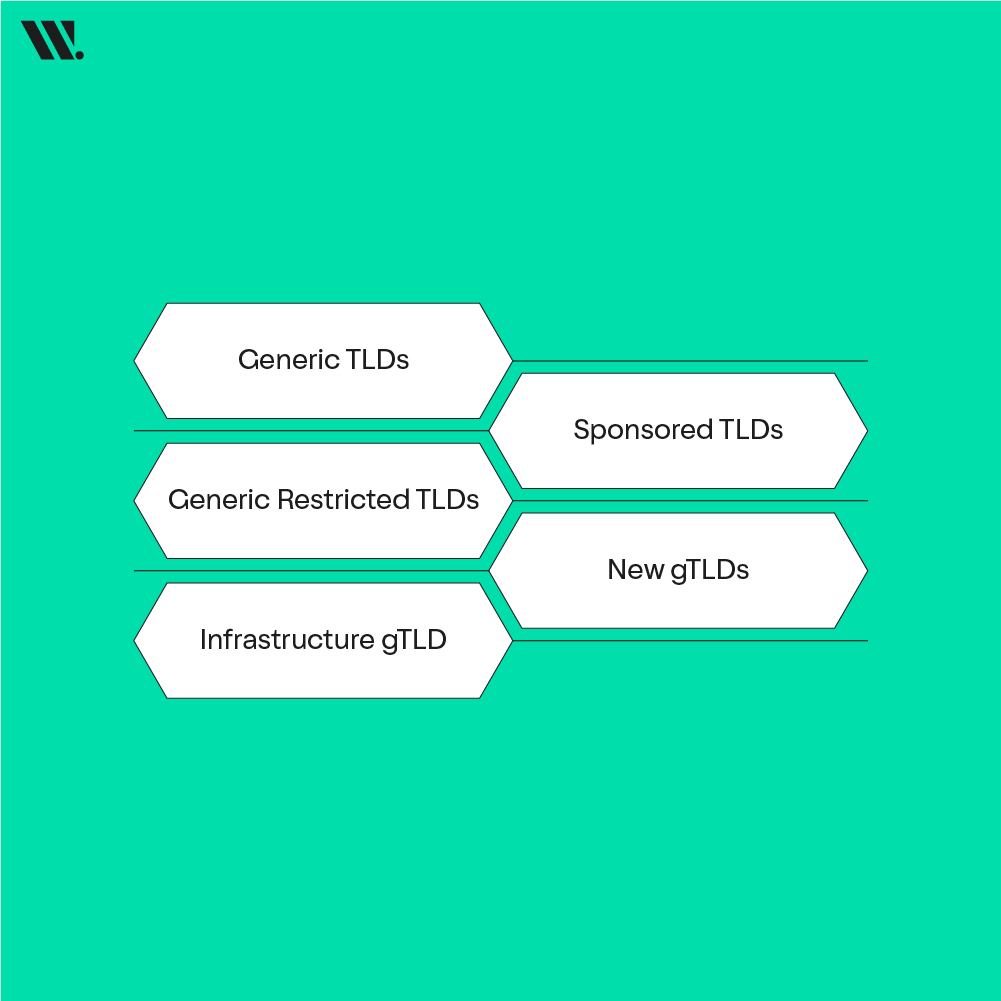
Generic top-level domains exist in several categories. Each type serves a different purpose and follows different rules.
Generic TLDs
Generic TLDs are open to everyone and have no special restrictions. These include legacy gTLDs such as .com, .org, and .net. They are the most trusted and widely used domain suffixes on the internet. For example, google.com handles billions of searches daily, while wikipedia.org provides free knowledge worldwide. These extensions dominate registrations because of their long history and strong public trust.
Sponsored TLDs
Sponsored top-level domains (sTLDs) are created for specific communities and are controlled by sponsoring organizations. Registration is restricted. Examples include .edu for educational institutions and .gov for government bodies. Sites like harvard.edu and nasa.gov use these domains to show authority and authenticity. Strict rules help protect their credibility.
Generic Restricted TLDs
Generic restricted TLDs are open only to users who meet certain conditions. These domains are designed to maintain quality within a specific field. For example, .pro requires proof of professional status, while .museum is limited to verified museums. These restrictions reduce misuse and increase trust within their niche.
New gTLDs
New gTLDs were introduced after 2012 when ICANN expanded the domain space. Over 1,200 new extensions were added, such as .shop, .tech, .app, .blog, and .xyz. These domains give businesses and creators more freedom to choose names that match their purpose. For instance, google.app enforces secure HTTPS use, while medium.blog clearly represents a blogging platform.
Infrastructure gTLD
Infrastructure gTLDs are used for technical internet operations. The most known example is .arpa, which supports internal DNS functions like reverse IP lookups. These are not available for public registration and operate entirely in the background.
Evolution of gTLDs (Role of ICANN)
The first gTLDs appeared in 1985, with only seven options available. Internet growth was slow at the time, and these domains met basic needs. In 1998, the Internet Corporation for Assigned Names and Numbers (ICANN) took responsibility for managing the DNS to keep it open, secure, and stable.
In the early 2000s, ICANN introduced additional gTLDs such as .info, .biz, .name, and .museum. The biggest change came in 2012 with the New gTLD Program, which approved over 1,200 new domain extensions. This expansion also introduced non-Latin scripts, supporting languages like Arabic and Chinese. The next application round is scheduled to open on April 30, 2026, further redefining the future of global domain naming.
Common Generic Top-Level Domains and Their Uses
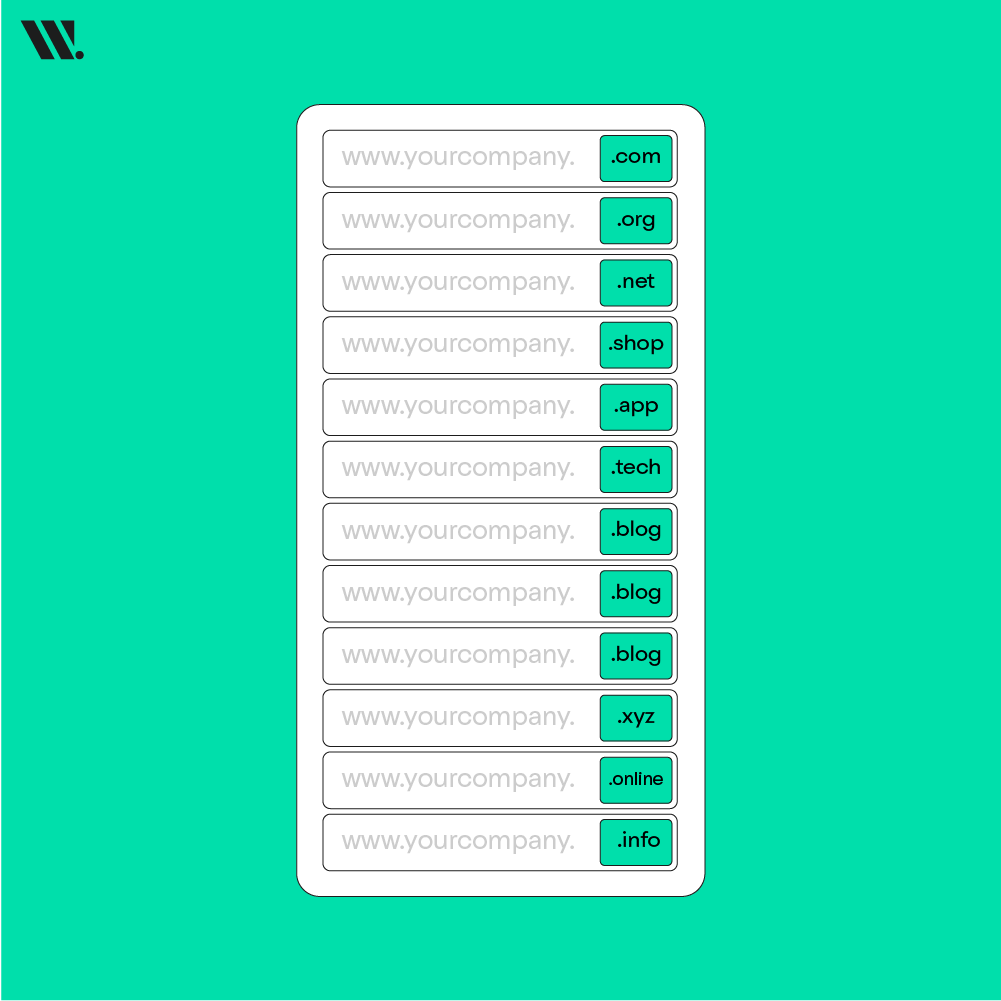
Many generic top-level domains are actively used across the internet today. Some are long-standing and widely trusted, while others are newer and designed for modern digital needs. Each gTLD sends a signal about the purpose of a website and helps users understand what to expect before visiting.
.com
This is the most widely used and recognized gTLD in the world. It is suitable for businesses, services, startups, and personal brands. With over 157 million registered domains, .com holds the highest level of public trust. Major global companies like amazon.com and google.com rely on it to reach customers everywhere. Many businesses choose .com because people naturally type it first.
.org
This gTLD is commonly used by nonprofit organizations, charities, and community groups. It signals purpose, transparency, and public service rather than profit. Websites like wikipedia.org use .org to build credibility and trust among users. Many educational and social initiatives also prefer this extension for its strong reputation.
.net
Originally created for network providers and internet infrastructure, .net has grown into a general-use domain. It is popular among technology companies, hosting providers, and online services. cloudflare.net is a strong example, supporting global website security and performance. .net is often used when a preferred .com name is unavailable.
.shop
.shop is a modern gTLD designed specifically for online stores and e-commerce platforms. It clearly tells visitors that the website is meant for buying products. Many brands use .shop to create direct and simple store names. This extension works well for businesses that want clear commercial intent without confusion.
.app
.app is designed for mobile and web applications and has strict security rules. All .app domains require HTTPS, which ensures encrypted and safe connections. This makes it highly trusted by browsers and users. Companies like Google use .app domains to host and promote secure digital tools and software products.
.tech
.tech is widely used by technology startups, software companies, and innovative businesses. It clearly signals a focus on technology and modern solutions. Many developers and IT firms choose .tech to show expertise and specialization. It helps tech brands stand out in competitive digital markets.
.blog
.blog is created for writers, publishers, and content creators. It suits personal blogs, news platforms, and professional writing projects. The extension makes the site’s purpose clear from the address itself. Many creators use .blog to separate content platforms from business websites.
.xyz
.xyz is a flexible and general-purpose gTLD with no usage limits. It became popular due to low pricing and broad availability. Companies like Alphabet (abc.xyz) helped bring global attention to this extension. It is often used by startups and experimental projects looking for short names.
.online
.online is used by businesses, services, and individuals who want a clear internet presence. It works well for digital services and remote platforms. The name is easy to understand for users of all backgrounds. Many service providers use it to highlight availability on the web.
.info
.info is designed for informational websites, guides, and knowledge-based platforms. It clearly signals that the site focuses on sharing information rather than selling. Many educational resources and documentation sites use this extension. It works well for support pages and learning hubs.
The Anatomy of a Domain Name
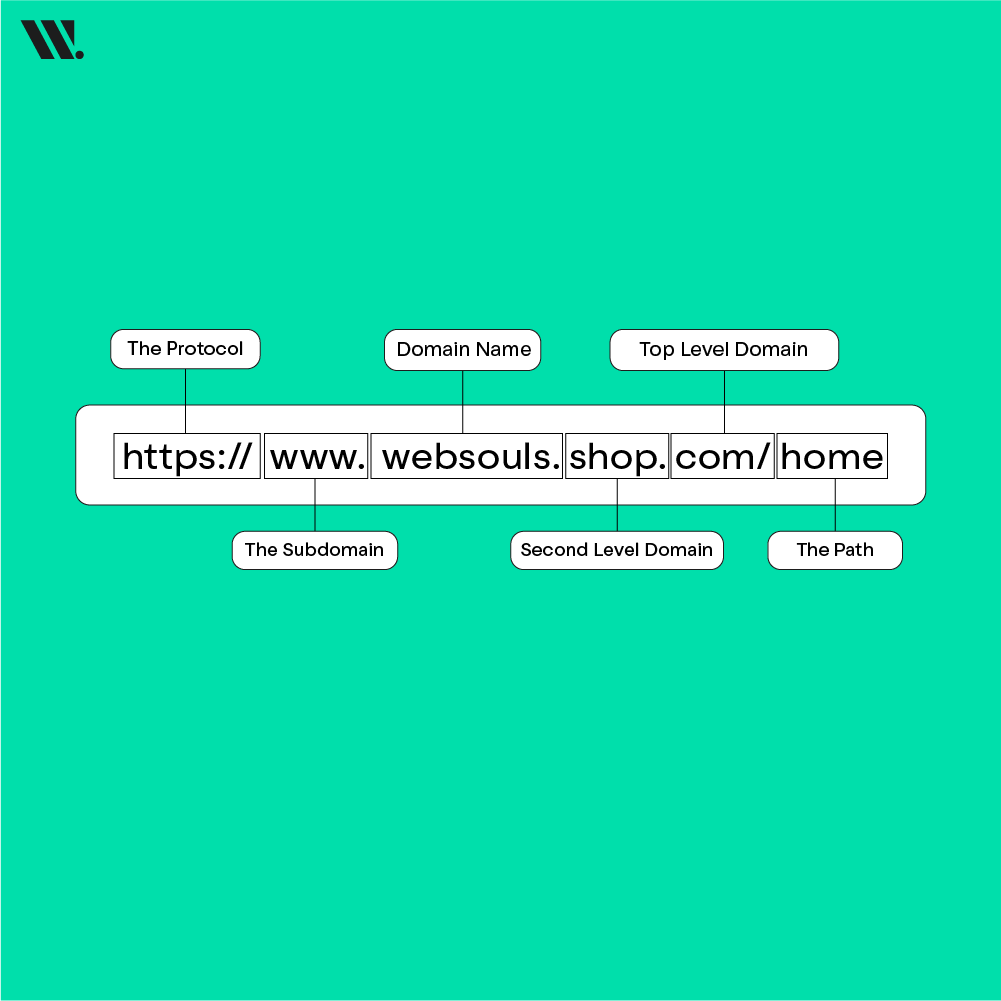
A domain name is made of several connected parts that work together to guide users to the right place on the internet. Each part plays a specific role in how a web address is read, understood, and processed by browsers and servers. To make this easy, we can look at a full web address as a structured path that starts from access rules and ends at a specific page.
For reference, consider this example URL:
https://blog.example.com/products/shoes
This example will help explain how each part of a domain name and URL works in use.
1. The Protocol
The protocol appears at the very beginning of a web address and defines how data is transferred between the browser and the server. Common protocols include http and https, with https being the secure version. In the example above, https:// ensures that data sent between the user and the website is encrypted. Modern browsers strongly prefer secure protocols for safety and trust.
2. The Subdomain
A subdomain comes before the main domain name and is used to organize different sections of a website. It allows website owners to separate content without buying a new domain. In blog.example.com, the word blog is the subdomain. Subdomains are often used for blogs, shops, support pages, or language versions of a site.
3. The Second-Level Domain (SLD)
The second-level domain is the main name chosen by the website owner. It represents the brand, business, or identity of the website. In example.com, the word example is SLD. This is the most important part of the domain because it is what users remember and search for.
4. The Top-Level Domain (TLD)
The top-level domain is the part that comes after the last dot in a domain name. It helps define the type or category of the website. In example.com, .com is the TLD. Other common TLDs include .org, .net, and many new gTLDs like .shop or .tech.
5. The Path
The path, also called the slug, comes after the domain name and points to a specific page or resource on the website. In the example /products/shoes, this part tells the server exactly which content to show. Paths help organize content, improve navigation, and make URLs easier to understand for both users and search engines.
Benefits of Using gTLDs
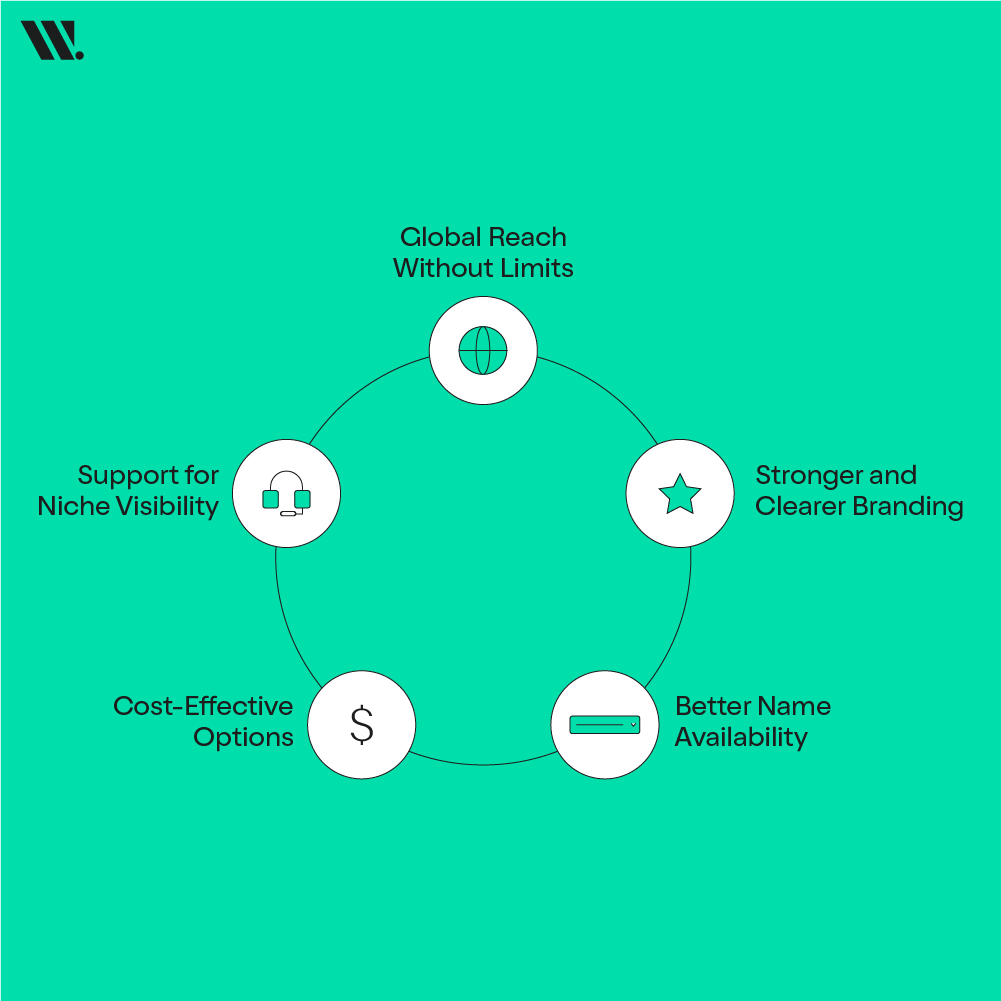
Generic top-level domains offer long-term value for websites of all sizes. They support branding, reach, and flexibility.
Global Reach Without Limits
gTLDs are not tied to any country, which allows websites to serve international audiences easily. Businesses in Pakistan can reach customers in Europe, the Middle East, and North America using the same domain. This supports exports, freelancing, and global digital services without restrictions.
Stronger and Clearer Branding
A relevant gTLD makes a website’s purpose clear at first glance. Domain extensions like .shop, .tech, or .blog communicate intent instantly. This helps users remember the site and builds a stronger brand identity over time.
Better Name Availability
Many strong names under .com are already taken. New gTLDs open fresh opportunities to secure short, meaningful domain names. This avoids awkward spellings and long combinations.
Support for Niche Visibility
Search engines understand context better today. A relevant gTLD supports topic clarity and user intent. While it does not guarantee rankings, it strengthens relevance signals for specific industries.
Cost-Effective Options
Premium .com domains can be expensive. Many new gTLDs offer fair pricing for high-quality names. This helps startups and small businesses control costs while maintaining professionalism.
Challenges of gTLDs
While gTLDs offer flexibility, they also come with practical challenges. Understanding these issues helps you make smarter choices and avoid long-term problems.
Lower Public Familiarity
Many users still trust .com more than newer extensions. When people see an unfamiliar gTLD, they may hesitate to click. This means new gTLD websites often need stronger branding and marketing to build trust. Over time, usage and visibility help reduce this issue.
Early Spam Reputation of Some gTLDs
Some new gTLDs were heavily used by spammers in the early years. This created a weak reputation for certain extensions. Even today, email providers and users may be cautious with them. Choosing a reputable gTLD and maintaining clean site practices helps avoid problems.
Renewal Price Differences
Some gTLDs offer low first-year prices but higher renewal fees. This can surprise website owners later. It is important to check long-term costs before registration. Planning ahead avoids sudden budget issues.
Limited Long-Term History
Legacy gTLDs have decades of trust and usage. Newer ones lack that long history. While this does not affect technical performance, it can influence perception. Businesses that depend on strong trust signals should consider this factor.
Comparing gTLDs with ccTLDs and sTLDs
Different domain types serve different goals. Below is a clear comparison.
Aspect | gTLDs (.com, .shop) | ccTLDs (.pk) | sTLDs (.edu, .gov) |
Access | Open worldwide | Often requires local presence | Strict eligibility |
Cost (PKR) | 2,500-3,500 per year | 3,000-5,000 (often 2 years) | 3,500-5,000 (often 2 years) |
Pros | Global branding, wide choice | Strong local trust | High authority |
Cons | Less local signal | Limited global reach | Hard to obtain |
How to Choose a Generic Top-Level Domain
Choosing the right gTLD requires clear thinking about goals, audience, and growth. A good decision supports your website for many years.
Understand Your Purpose First
Start by defining what your website does. A store, blog, tech platform, or service business all need different signals. The gTLD should support that purpose clearly. This makes your site easier to understand at first sight.
Consider Your Audience
Consider who will visit your site. General users often feel comfortable with .com. Tech-focused users accept newer extensions more easily. Choose a gTLD that your audience already trusts or understands.
Plan for Future Growth
Your website may grow beyond its original purpose. Pick a gTLD that will still make sense later. Avoid very narrow extensions if you plan to expand. A flexible choice protects your brand long-term.
Check Availability and Conflicts
Always search for existing trademarks or similar names. Make sure your chosen gTLD does not cause confusion with other brands. This avoids legal and branding issues later.
Step-by-Step Guide to Register Your gTLD
Registering a gTLD is a simple process when done carefully. Each step matters for security, ownership, and long-term control.
Search for Domain Availability
Use a trusted registrar to check if your desired name is available. Try a few variations if needed. Make sure spelling is simple and clear. This step helps avoid future confusion.
Choose an ICANN-Accredited Registrar
Always register through an approved provider. This helps your domain follow global rules and stays protected. Compare prices, renewal fees, and support options before deciding.
Provide Accurate Registration Details
Enter correct contact and ownership information. This proves you own the domain. Wrong details can cause loss of access or renewal issues. Keep records safe.
Complete Payment and Verification
Pay for at least one year. Some people choose longer periods for stability. Verify your email to activate the domain. Without verification, the domain may stop working.
Set DNS and Connect Hosting
Point the domain to your hosting server using DNS settings. This links your name to the website files. Proper DNS setup ensures fast and stable access.
Enable Auto-Renewal
Domains expire if not renewed. Auto-renew protects your name from being lost. This is really important for businesses and established sites.
The Future of gTLDs
The gTLD space continues to advance with new opportunities and changes. The next few years will define how domain names are used worldwide.
More gTLDs will enter the market through future ICANN rounds.
Language-based and script-based domains will grow, including regional scripts.
Businesses may adopt brand-specific gTLDs for stronger control.
Trust in newer extensions will increase as usage becomes normal.
Competition will push better pricing and services from registrars.
Final Thought
Generic top-level domains give freedom, choice, and reach in the digital market. From trusted legacy names to creative new options, they support every type of website. In Pakistan’s growing online economy, gTLDs help connect local talent with global markets. When chosen wisely, they become a long-term digital asset.
If you need help registering or transferring a domain, WebSouls offers professional web solutions, free consultation, and free domain transfer support for both local and global clients.
FAQs for Generic Top-level Domain
1. Can two websites have the same domain name with different gTLDs?
Yes, the same name can exist under different gTLDs. For example, example.com and example.net can belong to different owners. Each gTLD is managed separately within the DNS.
2. Do gTLDs affect email delivery?
Yes, domain reputation matters for email. Some lesser-known gTLDs may require stronger email authentication settings like SPF, DKIM, and DMARC to avoid spam filters.
3. Can I move my website to a new gTLD later?
Yes, you can change your domain later, but it requires careful redirects and SEO planning. Moving domains without planning can affect search rankings and traffic.
4. Are gTLDs safe from being taken away?
Once registered and renewed on time, gTLDs are secure. Domains are only lost if they expire, violate policies, or are involved in legal disputes.
5. Can one business own multiple gTLDs?
Yes, many businesses register multiple gTLDs to protect their brand. For example, they may own both .com and .shop versions of the same name.
6. Do browsers treat all gTLDs the same?
Modern browsers support all valid gTLDs equally. Some gTLDs like .app enforce HTTPS by default, but performance and access remain the same.
7. Are gTLDs translated into local languages?
Some gTLDs support internationalized domain names (IDNs), which allow non-English characters. This helps users access domains in local scripts.
8. What happens if a gTLD registry shuts down?
ICANN has protection systems in place. If a registry fails, ICANN transfers control to another operator to keep existing domains active.